

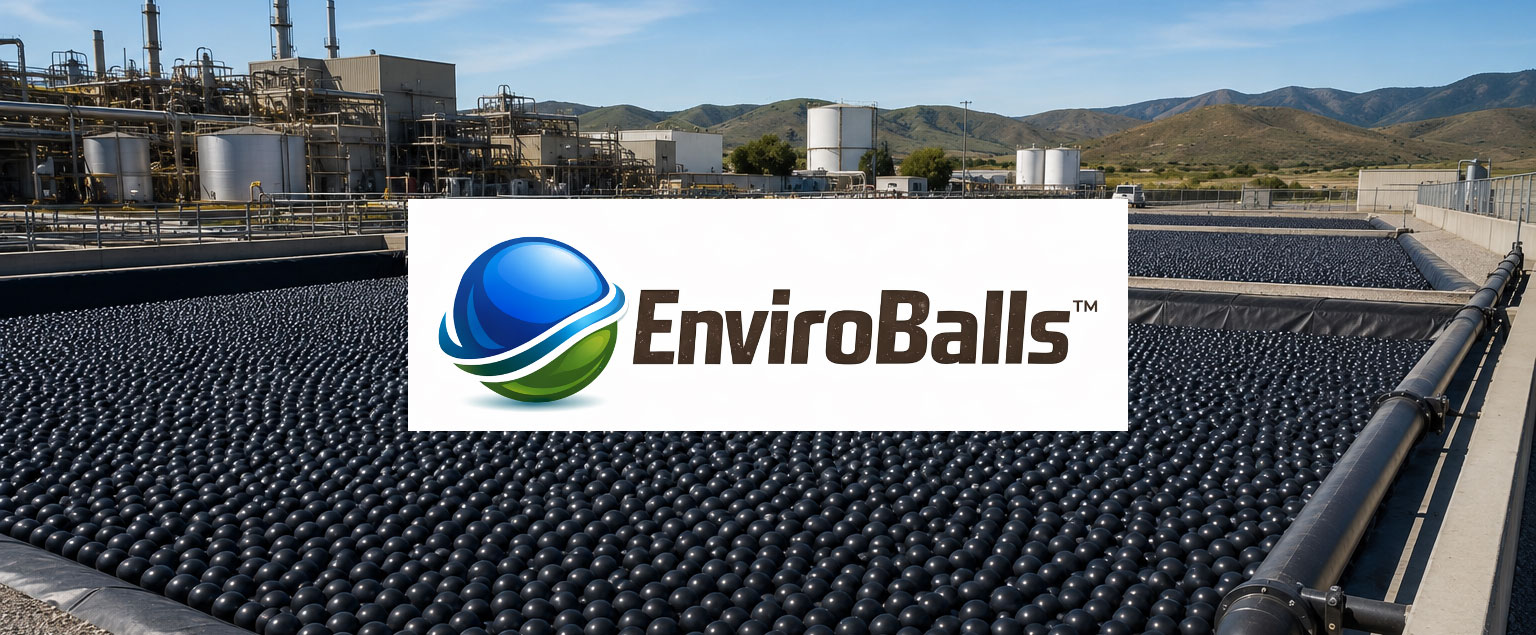
Water is one of the most valuable resources at many industrial facilities, yet it is often taken for granted until it becomes expensive to replace or difficult to manage. Whether it’s a stormwater retention pond, fire suppression reservoir, wastewater lagoon, or process water storage basin, maintaining water quality and minimizing maintenance costs are ongoing challenges across many industries.
Open water storage systems are continuously exposed to sunlight, wind, and changing weather conditions. Over time, these factors contribute to evaporation losses, algae growth, increased maintenance requirements, and higher operating costs. While each issue may seem relatively minor on its own, the combined impact can become significant over the life of a facility.
For industrial operators looking to improve water conservation efforts and reduce maintenance demands, floating water covers offer a practical and passive solution.
Common Industrial Applications
Floating water covers are utilized in a wide range of industrial applications, including:
- Stormwater retention and detention ponds
- Fire suppression water storage reservoirs
- Wastewater treatment lagoons
- Process water storage systems
- Mining and aggregate operations
- Equalization basins
- Reclaimed water storage facilities
- Manufacturing and chemical processing operations
- Cooling water storage systems
Although every facility has unique operational requirements, many are facing the same fundamental challenge—protecting valuable water resources while controlling operating costs.
Understanding the Cost of Evaporation
When discussing water conservation, most people immediately think about water usage inside a facility. However, water losses from evaporation can represent a significant and often overlooked expense.
The true cost of evaporation extends beyond simply replacing lost water. Facilities may also incur expenses associated with:
- Purchasing or treating replacement water
- Pumping and handling costs
- Additional labor requirements
- Increased chemical treatment needs
- Operational inefficiencies during periods of drought or water restrictions
Reducing evaporation can help facilities better manage both costs and sustainability objectives. While the amount of water lost will vary depending on climate conditions and surface area, large water storage systems can lose substantial volumes of water over time.
Minimizing Algae Growth
Algae growth is another common challenge associated with open water storage systems. Excessive sunlight promotes algae development, which may contribute to:
- Increased maintenance requirements
- Additional chemical treatment costs
- Equipment fouling
- Water quality concerns
- Unpleasant odors
- Sediment accumulation over time
Many facilities rely on periodic chemical treatments to address algae growth after it occurs. An alternative approach is to minimize the conditions that allow algae to thrive in the first place.
Floating water covers work by limiting the amount of sunlight reaching the water’s surface, helping to reduce algae growth while lowering the frequency of maintenance activities.
Reducing Maintenance Requirements
Maintenance costs are often difficult to quantify because they are distributed across labor, chemicals, equipment, and operational downtime. Open water systems may require ongoing attention throughout the year, including:
- Water replenishment
- Chemical treatments
- Vegetation management
- Surface cleaning
- Equipment inspections
- Pump and piping maintenance
Small improvements in maintenance requirements can provide meaningful savings when considered over the lifetime of an industrial facility.
One advantage of floating water covers is their simplicity. Because they are passive systems with no moving parts, they continuously provide surface coverage without requiring power or complex operating procedures.
Supporting Sustainability Initiatives
Water conservation has become an increasingly important component of corporate sustainability programs. Organizations across many industries are establishing goals related to:
- Water conservation
- Resource efficiency
- Reduced chemical consumption
- Improved environmental stewardship
- Lower operating costs
Projects that simultaneously improve sustainability performance and provide economic benefits are often among the most attractive investments for industrial facilities.
Reducing evaporation losses not only conserves water but may also decrease the resources required to maintain water storage systems over time.
Selecting a Floating Water Cover Solution
No two water storage applications are exactly alike. Before selecting a floating water cover technology, facilities should consider several factors, including:
- Climate conditions
- Pond size and geometry
- Water chemistry
- Maintenance objectives
- Durability requirements
- UV resistance
- Installation considerations
- Long-term operating costs
Understanding both the operational requirements and performance objectives of a project is essential when evaluating potential solutions.
A Practical Approach to Water Management
Industrial facilities are continually challenged to do more with fewer resources. Technologies that improve operational efficiency without increasing complexity are often the most successful over the long term.
Floating water covers provide a practical approach to addressing several common water management challenges simultaneously. Depending upon the application, facilities may realize benefits that include:
- Reduced evaporation losses
- Lower algae growth potential
- Reduced maintenance requirements
- Improved water conservation
- Lower chemical usage
- Enhanced environmental performance
- Long-term operational savings
As industries continue investing in sustainable infrastructure and water conservation initiatives, protecting valuable water resources will remain an important priority.
EnviroBalls™ Floating Water Covers
EnviroBalls™ Floating Water Covers are designed for demanding industrial applications requiring long-lasting performance and minimal maintenance. Our team works with customers to evaluate project requirements, estimate material quantities, and identify opportunities to improve water conservation and reduce operating costs.
If you’re evaluating options for industrial water storage systems, we’d be happy to discuss your application and determine whether a floating water cover is an appropriate solution for your facility, please contact us today at EnviroBalls@DirtGlue.com or by connecting with us here.